
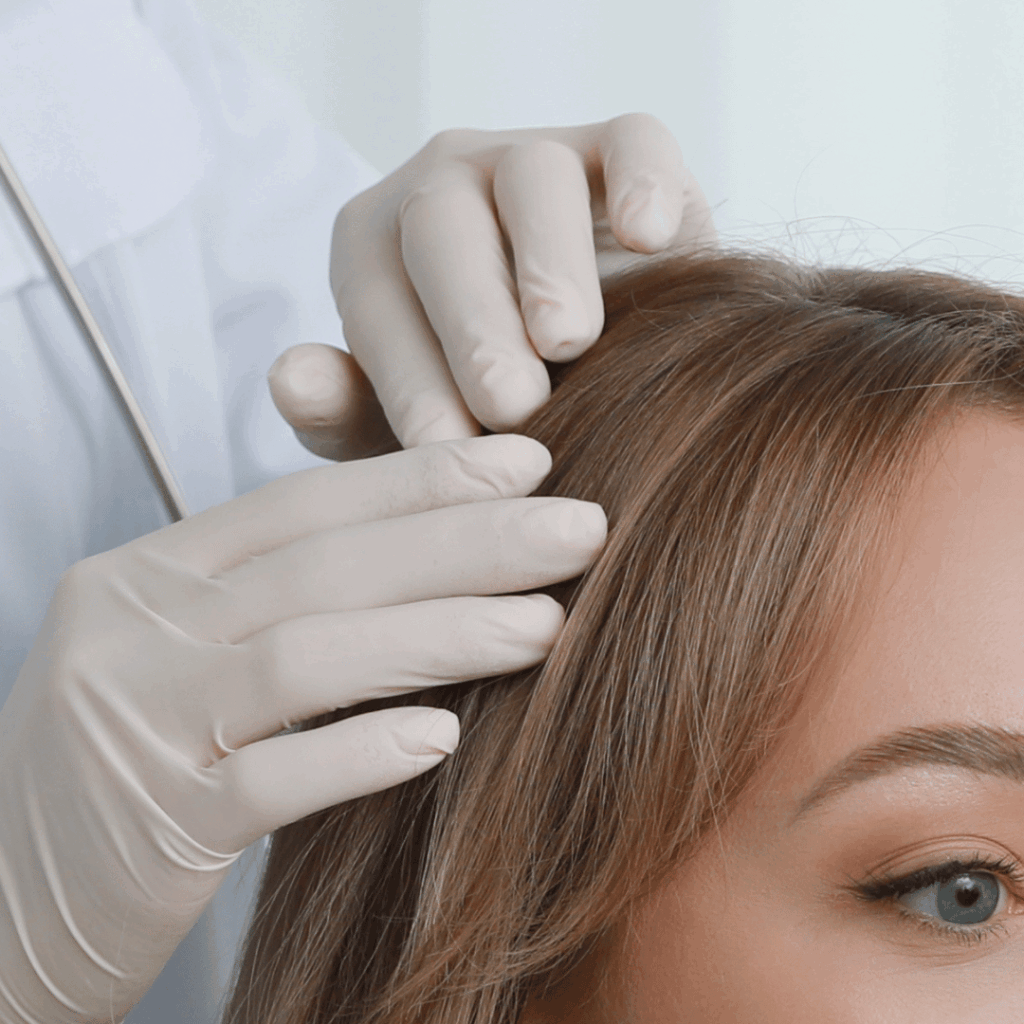
The word Trichology is derived from the Greek work trikhos, meaning hair (singular). In the general and broadest sense, Trichology is the science of the structure, function and diseases of the human hair. In a clinical sense, Trichology is the diagnosis and treatment of disorders and diseases of the scalp and hair. Trichology is neither an alternative medicine nor a complementary therapy, since the diagnostic approach and treatments employed are no different from those used in orthodox medicine. Trichologists are not medically qualified, but receive training of a clinical and medical nature specific to the hair and scalp.
A Trichologist will deal with numerous conditions of the hair and scalp – some are not curable but can be controlled. Other conditions may need to be referred to a medical practitioner or specialist. The exceptions are those members who enter the profession of Trichology with existing medical qualifications or those who decide to pursue medical training after being inspired by Trichology). There are however, many hair and scalp conditions, which can be successfully treated by a trichologist.
Trichologists adapt a holistic approach to treatment, ensuring to take into account many different factors, such as lifestyle, diet and wellbeing as a whole, as well as the signs and symptoms present.
The ability to diagnosis correctly is an essential aspect of Trichology. Diagnosis is a systematic process of elimination. In order to do this, Trichologists must have a knowledge pertaining to a number of conditions, including some that do not come under a Trichologists remit to treat. Many hair and scalp conditions are a result of poor general health or underlying medical conditions; therefore a Trichologist must know something of general medicine, particularly endocrinology.
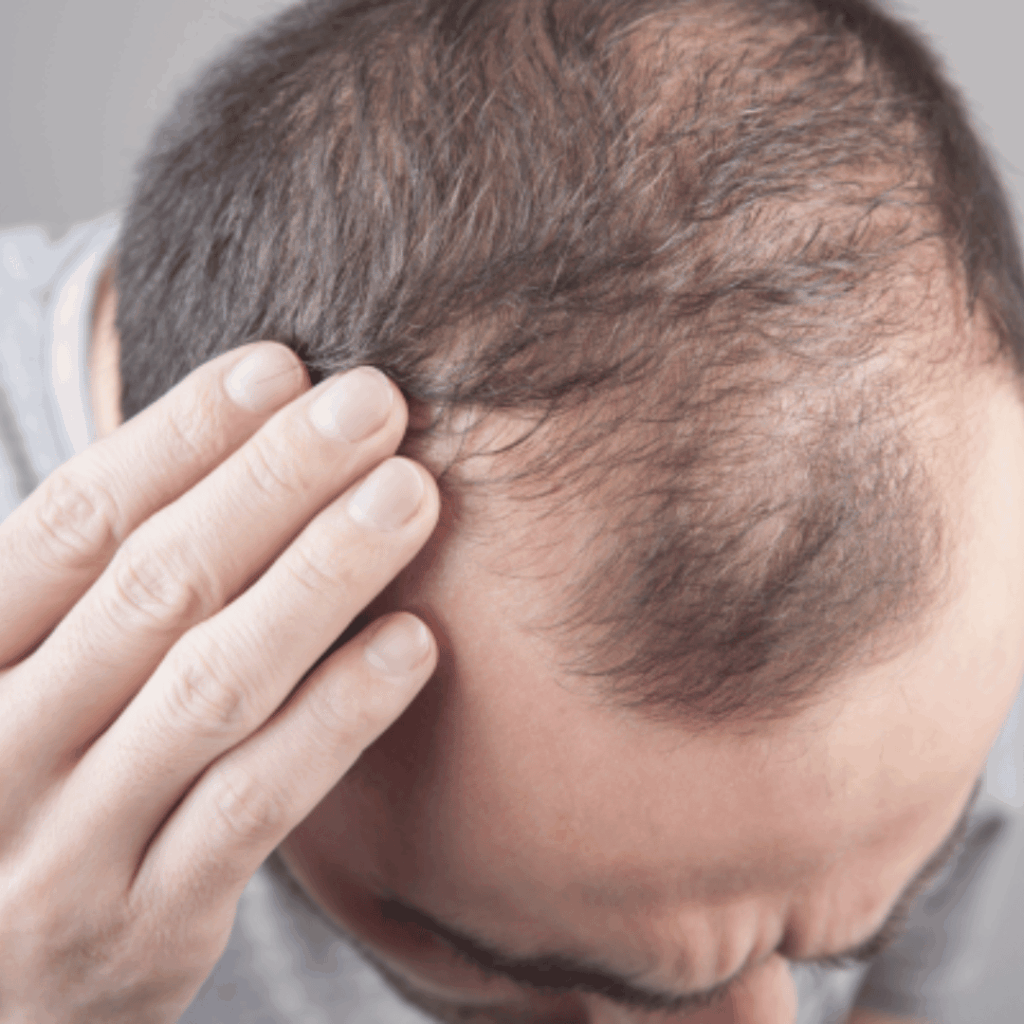
Hair loss can cause great anxiety and distress, and there are many misunderstandings about its causes and treatments, with few clinical practitioners who specialise in the hair and scalp. A Trichologists is unique in the fact that their entire specialism focuses just on the hair and scalp.
Alopecia is a term used to describe hair loss – of any type, cause or origin. It may be a diffuse condition, where there is simply a ‘thinning’ (that is, fewer hairs per unit area) or it can result in a ‘bald patch’ where few, if any, active hair follicles exist.
It may present as a temporary condition, or it may be permanent and irreversible. The role of the clinical Trichologist is to diagnose and treat disorders. It is important to understand what type of Alopecia you may have so that you can treat it correctly to achieve the best outcomes possible.
Probably the most common type of hair loss is Androgenetic Alopecia; which is often called Male Pattern or Female Pattern hair loss. There are a number of treatment options available. A Trichologist will advise on all of the available options to enable you to decide what is the best course of action for your individual needs.
Excessive Hair Shedding can be a very frightening condition to experience, it can make you very anxious and unsure about what to do, in many cases of excessive shedding there are a number of underlying causative factors, once identified and treated the outcome can be life changing and hair changing too.
There are a number of factors such as stress, diet, allergies, family inheritance and medications that can lead to scalp problems and a Trichologist will help identify the triggers and causes to provide holistic advice to you.
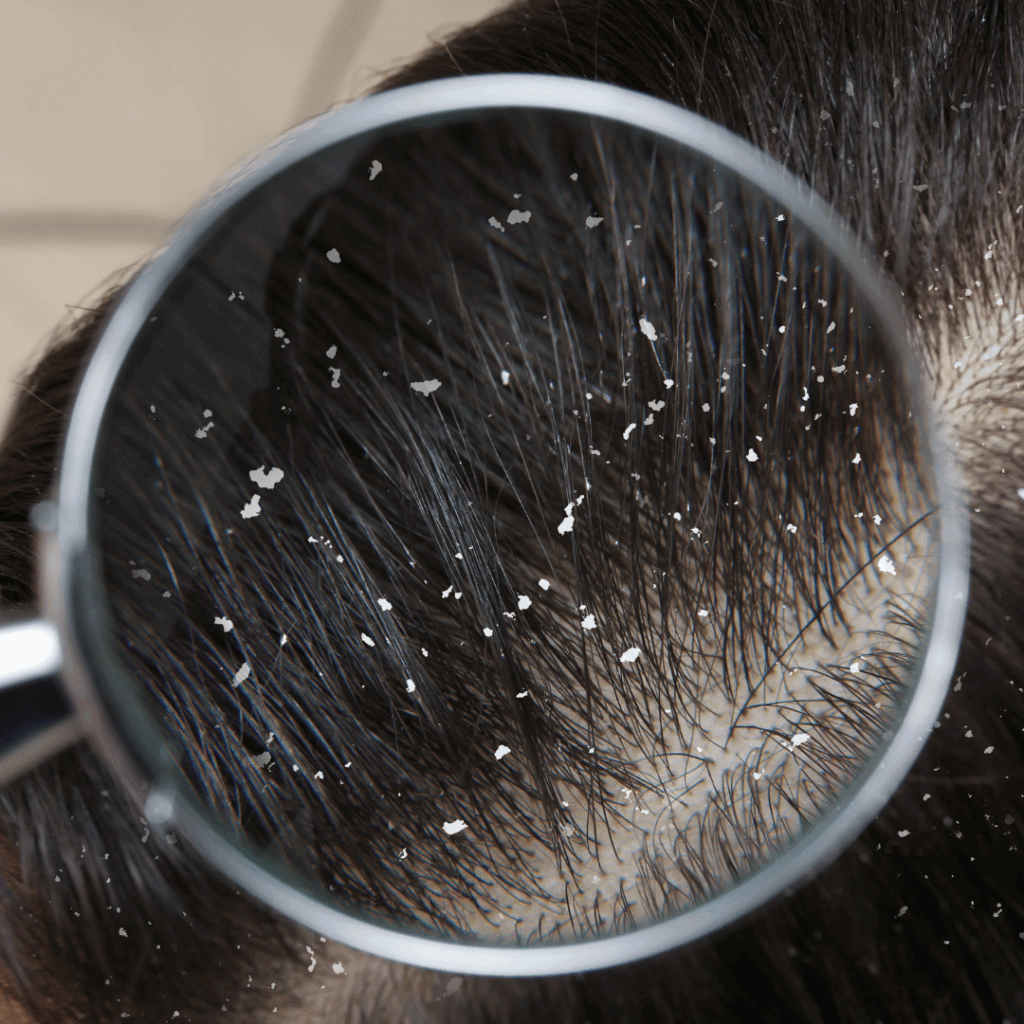
Such problems can be symptomatic of some other metabolic variation. Stress, poor diet, or even allergies to certain foods, can be responsible for the build up and shedding of dead skin cells.
The management of hair and scalp that is excessively greasy is another area in which the advice of a qualified trichologist is often sought. Guidance on the right type of shampoo, and on its frequency of use, may prove to be particularly relevant.
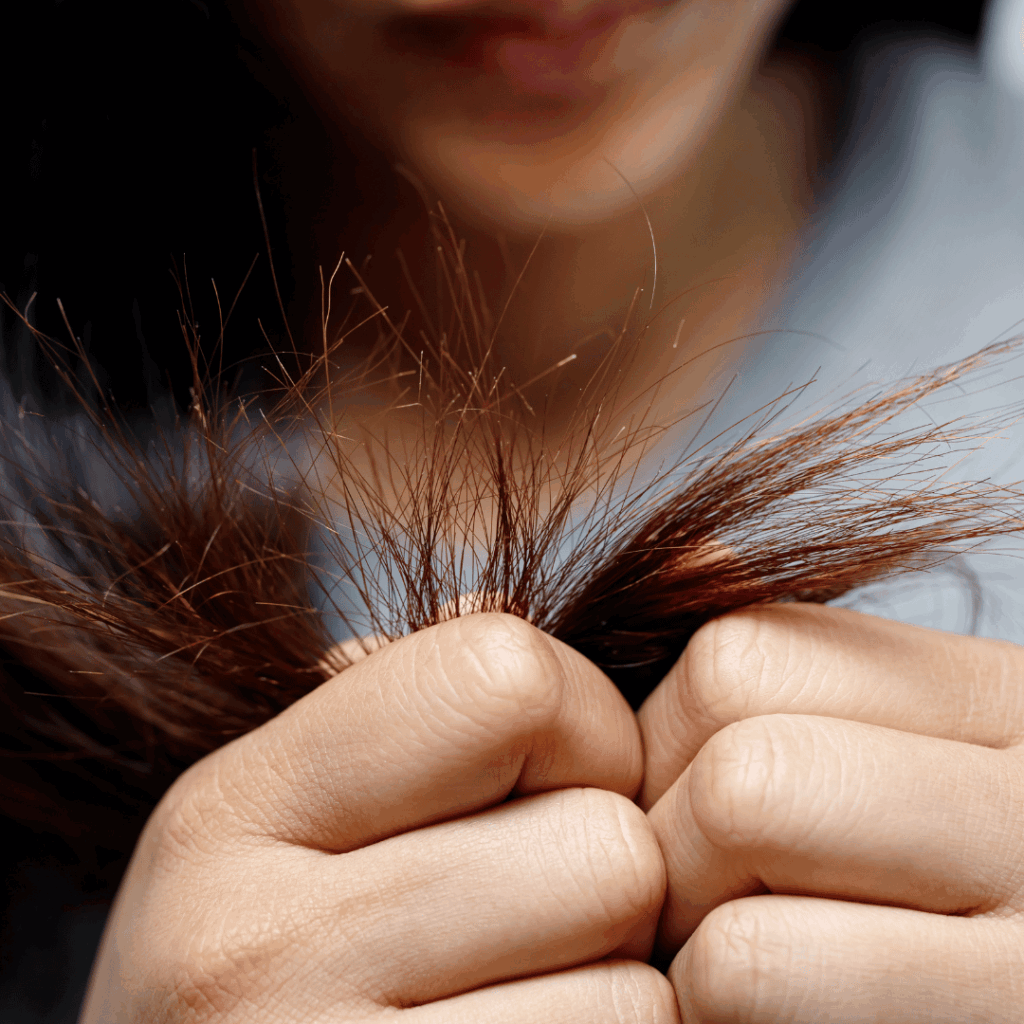
Problems with hair texture can be caused by over exposure to heat or strong chemicals, or any number of other stresses and strains to which we subject our hair.
In such cases, co-operation with the hairdresser is obviously important, and it indicates that trichologists’ training overlaps both the medical and the cosmetic in areas not normally covered by either doctors or hairdressers.
Hair texture problems usually respond very well to appropriate advice and treatment, as the cause(s), once discovered, can often be reduced or eliminated altogether.
In cases of scalp disorders in particular, it is possible that your trichologist will advise on treatment creams and shampoos for use either in the clinic or at home. These will either be manufactured by the trichologist (if he or she holds a Medicines and Healthcare products Regulatory Agency [MHRA] licence) or by other licensed trichologists who specialise in manufacturing such preparations. These products should always be used in strict accordance with instructions.
Where appropriate, the trichologist can give advice to those patients wishing to be referred to members of the British Association of Hair Restoration Surgeons, for hair grafting (hair transplant).
For those seeking to gain added hair (sometimes referred to as ‘hair replacement’) in the form of wigs, extensions or weaving, guidance and appropriate referrals can be offered.
Advice and support can be given to those people who habitually pull their hair. Likewise, information, guidance and support is also given to those people who have lost hair through chemotherapy treatment.
A Trichologist, although highly trained is unfortunately not able to prescribe. If prescribed medications or biopsies are necessary to obtain a complete diagnosis, your Trichologist will work with your GP and Dermatologist to provide information, referrals and suggestions to ensure that an effective treatment plan is identified and put into place for the best outcome for you.
For details of registered trichologists in your area, or to check that your trichologist is a member of The Institute of Trichologists, and thereby bound by the Institute’s Code of Professional Practice and Ethics, either click here or contact the Institute of Trichologists.
